Wildfire readiness
Plan.Prepare.Act.
Every household in Spring City can get ready for wildfire, especially near open fields or wooded areas. Most of the work happens long before smoke shows up.
Report it by phone right away. This website, email and social media are not monitored for emergencies.
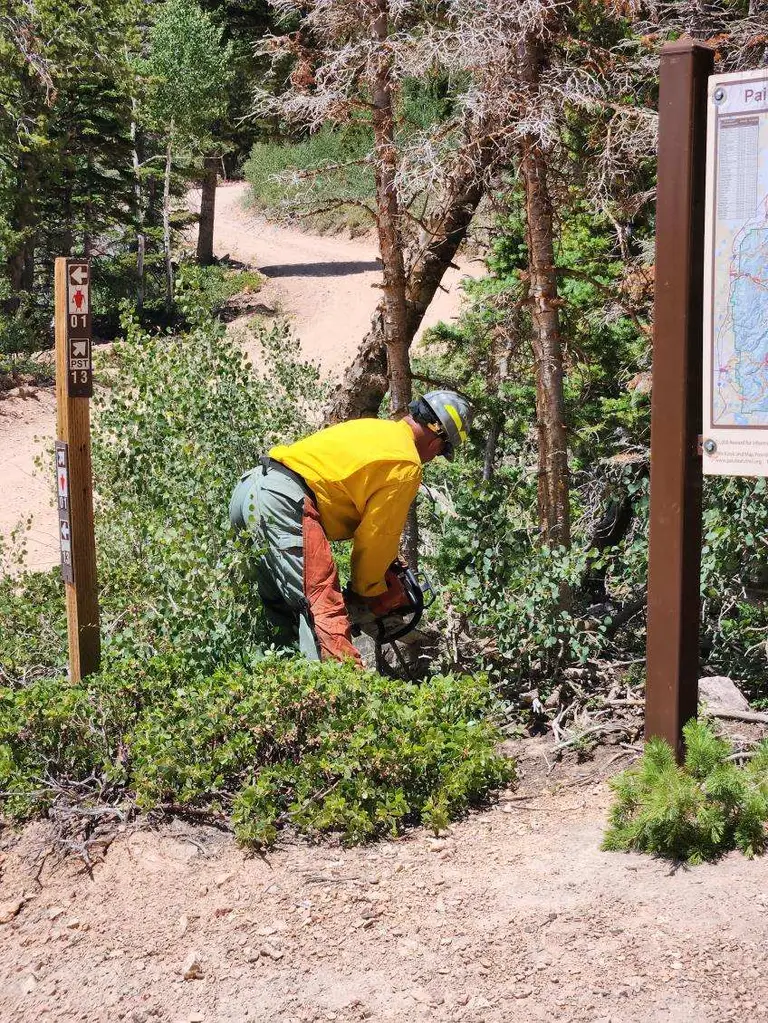
Ready, Set, Go!
Know what to do, and when.
Ready, Set, Go! comes from the International Association of Fire Chiefs. It splits wildfire preparation into three stages, so you know what to do now, what to watch for, and when to leave.
-
Long before a fire
Ready
Prepare before wildfire threatens. Clear three zones around your home and protect it from embers.
Clear the zones -
As fire weather builds
Set
Stay alert as conditions change. Keep a go bag packed, know your way out, and watch the weather and alerts.
Pack and plan -
When fire threatens
Go!
Leave early. Follow evacuation orders, and if you feel unsafe, go without waiting for one.
Know when to go
01 · Ready
Make your home harder to ignite.
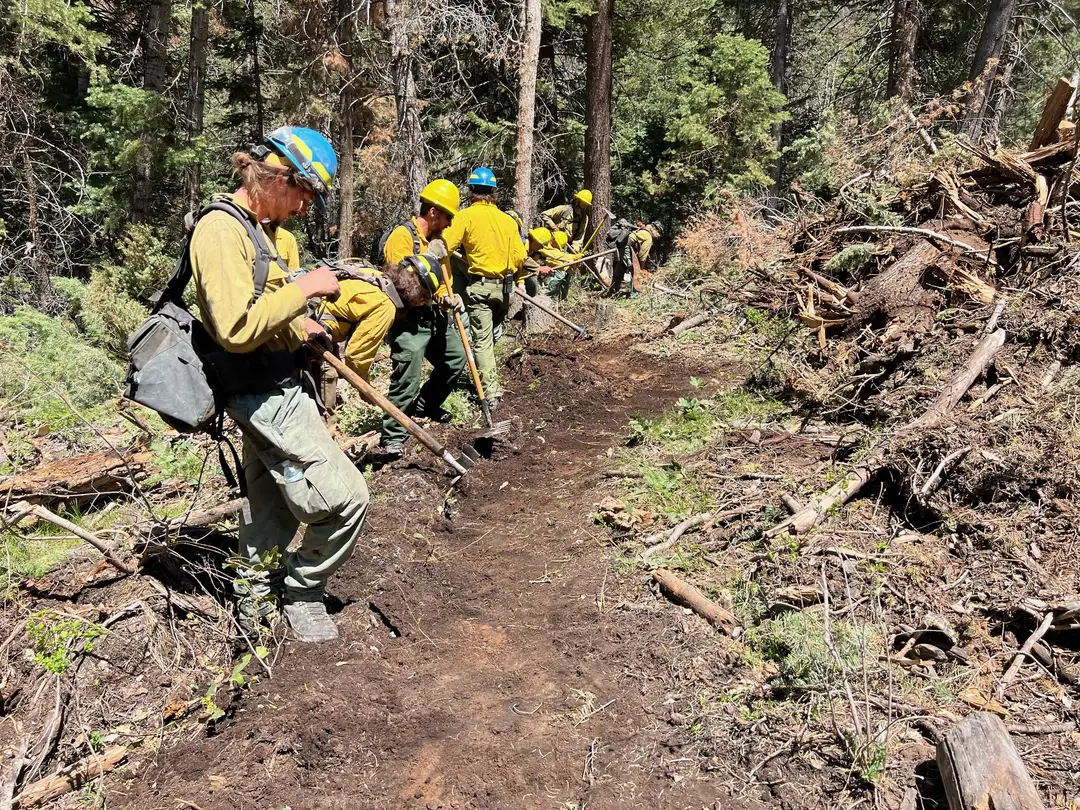
NFPA's Firewise USA program divides the ground around a home into three zones. Start with the house itself and the five feet around it, the area most at risk from embers, then work outward.
-
0 to 5 feetImmediate zone
The house itself and the ground within five feet of it, measured from the furthest attached part, such as a deck. Keep nothing here that can burn.
- Clear leaves, pine needles and debris off the roof and out of the gutters.
- Fix loose or missing shingles so embers cannot work their way in.
- Cover attic and eave vents with 1/8 inch metal mesh.
- Move mulch, plants and firewood away from the walls, and store nothing under decks or porches.
-
5 to 30 feetIntermediate zone
Use your landscaping to break up fuel and help weaken a fire that reaches the yard.
- Keep lawns and native grass mowed to four inches.
- Let driveways, walkways and patios act as fuel breaks.
- Clear brush from under trees, and prune limbs 6 to 10 feet up (no more than a third of a short tree's height) so fire cannot climb.
- Keep tree crowns at least 18 feet apart, more on a slope, and the mature canopy at least 10 feet from the house.
- Clear plants from under large propane tanks.
-
30 to 100 feetExtended zone
From 30 feet out to 100 feet, and up to 200 feet. Here the aim is not to stop a fire outright but to break up its path and keep the flames small and low to the ground.
- Clean up heavy buildups of dead leaves, needles and other litter on the ground.
- Remove dead plants and trees, and small conifers growing between larger trees.
- Clear plants away from sheds and other outbuildings.
- Thin trees so crowns are at least 12 feet apart from 30 to 60 feet out, and at least 6 feet apart from 60 to 100 feet.
Zones and spacing follow NFPA's Firewise USA guidance. Slopes and some kinds of trees need more space, so NFPA suggests asking a local forestry professional what fits your property.
02 · Set
Pack the bag. Make the plan.
Set means staying alert as conditions change and being ready to leave at short notice. Pack the bag and make the plan now, then keep both close whenever fire weather builds.
Go bag
Pack it now and keep it where you can grab it on the way out.
- Essential documents and family records
- Medications
- Pet supplies
- Valuables
- Cash and cards: ATMs may not work
- Important phone numbers
- A change of clothes
- Food and water for every person and pet, for up to 72 hours
Family plan
Know two ways out
Map your main route out of the neighborhood, and a backup in case the first is closed.
Choose a contact
Pick someone who knows your plan and how you will check in. Texting may work better than calling.
Plan for animals
Pets, horses and livestock take extra time. Practice loading them, and bring pets inside at the first sign of fire.
Ready the car
Park facing the way out and keep the gas tank at least half full.
Practice together
Walk through the plan with everyone in your home, and plan for anyone who will need help to leave.
Watch for fire weather
Keep a radio or phone nearby for emergency updates, and know what the warnings mean.
Warning
Red Flag Warning
The National Weather Service issues it when critical fire weather is here now or about to arrive. Take extreme care with any open flame.
Spring City forecast (opens in a new tab)Watch
Fire Weather Watch
The Weather Service's early notice: critical fire weather is possible, but not here now or about to arrive. Use it as your signal to get set.
Alerts
Get the alerts
Sign up for local emergency alerts on every phone in your home.
[ALERT SIGN-UP LINK]
Statewide
Current fires
Fires, fire danger and restrictions across Utah, from the state's interagency wildfire information site.
Utah Fire Info (opens in a new tab)03 · Go
Leave early.
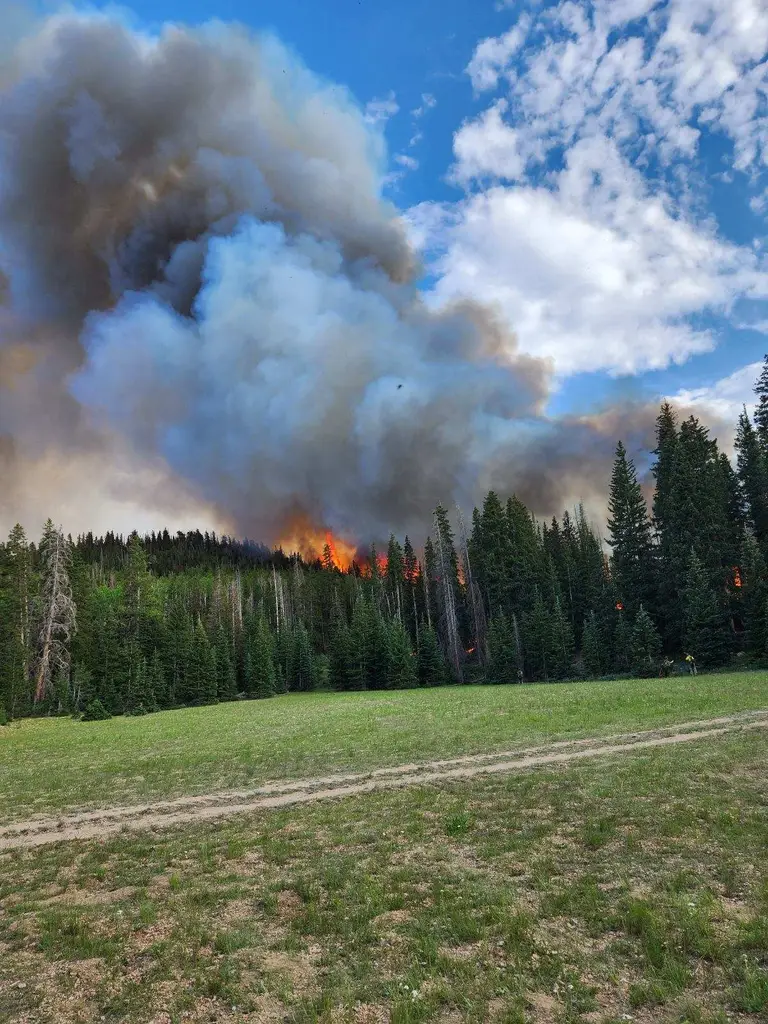
When a wildfire threatens, go early rather than at the last minute. Waiting can mean heavy traffic, plus smoke, embers and debris that make it hard to see and can damage a car's engine.
When to go
- Told to evacuate? Go right away.
- Feel unsafe? Go, even if no order has come.
- Have young children, animals, or anyone who needs extra time? Leave even earlier.
- Never put off leaving to look for a pet. A quick exit can be what keeps you safe.
On the way out
- Take the go bag, and keep phones charged in case the power goes out.
- Drive with the windows closed and the air conditioning running, so smoke and embers stay out.
- Avoid driving out with a trailer or RV, especially one you are not used to. A stalled vehicle can block the road for everyone, firefighters included.
- Stay tuned for updated instructions.
After you leave
- Check that everyone is OK, and get help right away if anyone is hurt or unwell.
- Let your contact know you are safe.
- Stay away until officials say it is safe to go home.
See fire or smoke? Call 911.
Before you burn
Before you strike a match.
Clearing your zones can leave a pile of brush. Check Fire Status before you burn any of it, and send a burn permit request. A request is not a permit: do not burn until the department issues yours.
Fire Status
Where Utah's fire season stands, and where to check restrictions before you light anything.
Check Fire StatusBurn permit
Send a request online. A department member reviews it and contacts you.
Request a burn permitSources, in our own words: International Association of Fire Chiefs, Ready, Set, Go! (opens in a new tab); NFPA Firewise USA, preparing homes for wildfire (opens in a new tab); NFPA, evacuation for household pets and horses (opens in a new tab); U.S. Fire Administration, wildfire evacuation (opens in a new tab); National Weather Service, wildfire warnings and watches (opens in a new tab); Utah Fire Info (opens in a new tab).
Volunteer
Help keep Spring City ready.
Spring City's firefighters are volunteers. Experienced or new and eager to learn, we provide the training and support you need to make a real difference.
Keep these handy
- Emergency
- Call 911
- Non-emergency
- Sanpete County Dispatch, (435) 835-2345
- Current fires
- Utah Fire Info (opens in a new tab)
Never report a fire through this website, a form, email or social media.