Fire prevention
Stop firesbefore they start
Small things start big fires: a pan left on the stove, a heater too close to a blanket, a spark in dry grass. A few habits at home and outdoors keep them from starting.
This page is about stopping fires before they start. For smoke alarms and escape plans, see Safety.
At home
Inside your home
Six places to check: the stove, space heaters, cords and outlets, candles, cigarettes and the clothes dryer.
-
Cooking
- Stay in the kitchen while you fry, boil, grill or broil. If you leave, turn the burner off.
- Keep oven mitts, towels, wooden utensils, food packaging and curtains away from the stovetop.
- Keep a lid nearby. If a pan catches fire, slide the lid over it, turn off the burner and leave it covered until it cools. Never pour water on a grease fire.
- If the fire does not go out, get out, close the door behind you and call 911 from outside.
-
Space heaters
- Keep anything that can burn at least 3 feet away.
- Plug it straight into a wall outlet, with nothing else on that outlet. No extension cords or power strips.
- Set it on a flat, sturdy surface, choose one that shuts off if it tips over, and turn it off when you leave the room or go to bed.
-
Cords and outlets
- Replace cracked, damaged or loose cords. Do not try to repair them.
- Keep cords out from under rugs and away from doorways and furniture that can pinch them.
- Extension cords are for temporary use. Plug big appliances straight into the wall.
- Warm or discolored outlets, flickering lights, a burning smell or a breaker that keeps tripping? Call a licensed electrician.
-
Candles
- Keep candles at least 12 inches from anything that can burn.
- Use sturdy holders that will not tip, out of reach of children and pets.
- Blow them out when you leave the room or go to bed. Battery candles are the safer choice, and a flashlight beats a candle in a power outage.
-
Smoking
- If you smoke, smoke outside, with a deep, sturdy ashtray.
- Put butts out in water or sand, and never toss them into mulch, potted plants, leaves or dry grass.
- Never smoke in bed, when you are drowsy, or anywhere medical oxygen is used.
-
Clothes dryers
- Clean the lint filter every time you use the dryer, and never run it without the filter.
- Make sure the vent behind the dryer is not crushed or blocked, and that the outside flap opens when it runs.
- Turn the dryer off when you leave home or go to bed.
Heating season
Heat without the fire
Furnaces, wood stoves and fireplaces need a professional checkup every year, and care every time you use them.
Inspect and clean every year
Have chimneys, vents and heating equipment cleaned and inspected by a licensed professional once a year.
Burn dry, seasoned wood
It burns cleaner and leaves less buildup in the chimney. Never burn trash, and never start a fire with gasoline, kerosene or lighter fluid.
Keep the fire behind a screen
Use a sturdy metal or heat-tempered glass screen on a fireplace, and keep wood stove doors closed unless you are adding wood.
Never heat with the oven
Ovens and stovetops are not made to heat a home. Use equipment that is.
Getting rid of ashes
Four steps, every time you clean out the stove or the fireplace.
- Let the ashes cool.
- Soak them with water.
- Put them in a metal can with a tight lid.
- Set the can at least 10 feet from the house and other buildings.
Never empty ashes straight into a trash can.
Clearances
Give fire room
The safe distances in NFPA fire safety guidance, from the candle on the table to the burn pile in the field.
12 inches
Candles
From anything that can burn.
3 feet
Heating equipment
Furnaces, wood stoves, fireplaces and space heaters: keep anything that can burn this far away.
10 feet
Ash cans and fire pits
Ash cans from the house and other buildings. Fire pits from anything that can burn.
25 feet
Campfires
Where allowed, from buildings and anything that can burn.
50 feet
Burn piles
Yard waste and debris fires, where allowed, from anything that can burn.
Outdoors
One spark is enough
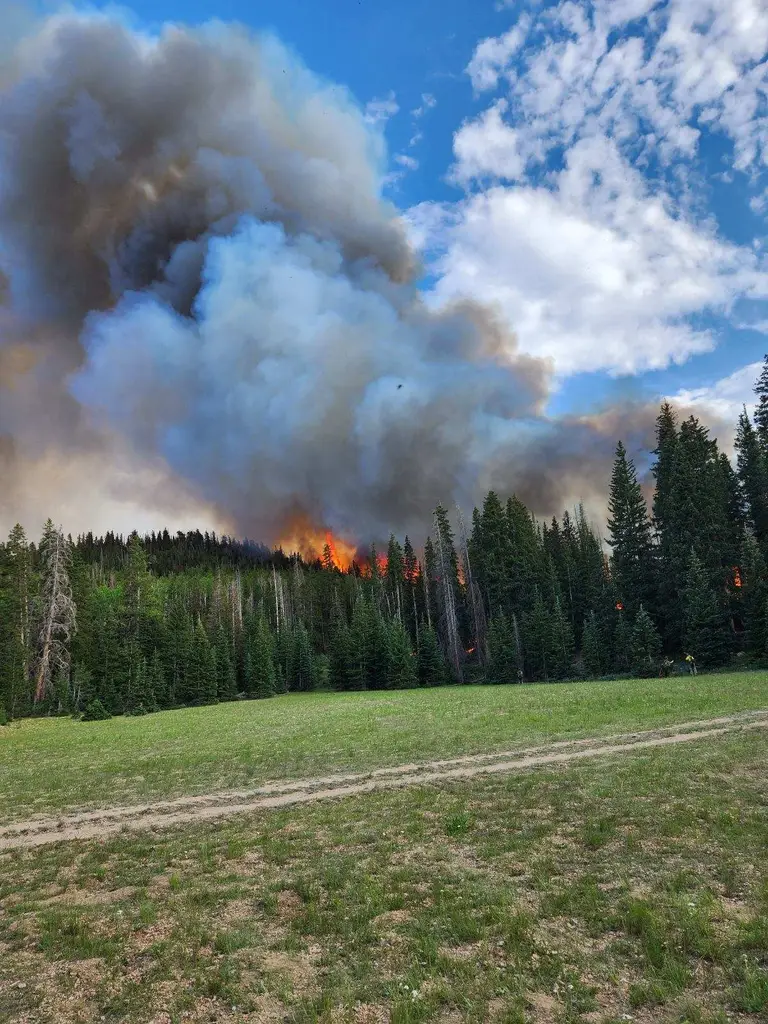
In dry grass and wind, a burn pile, a dragging trailer chain or an unattended campfire can become a wildfire.
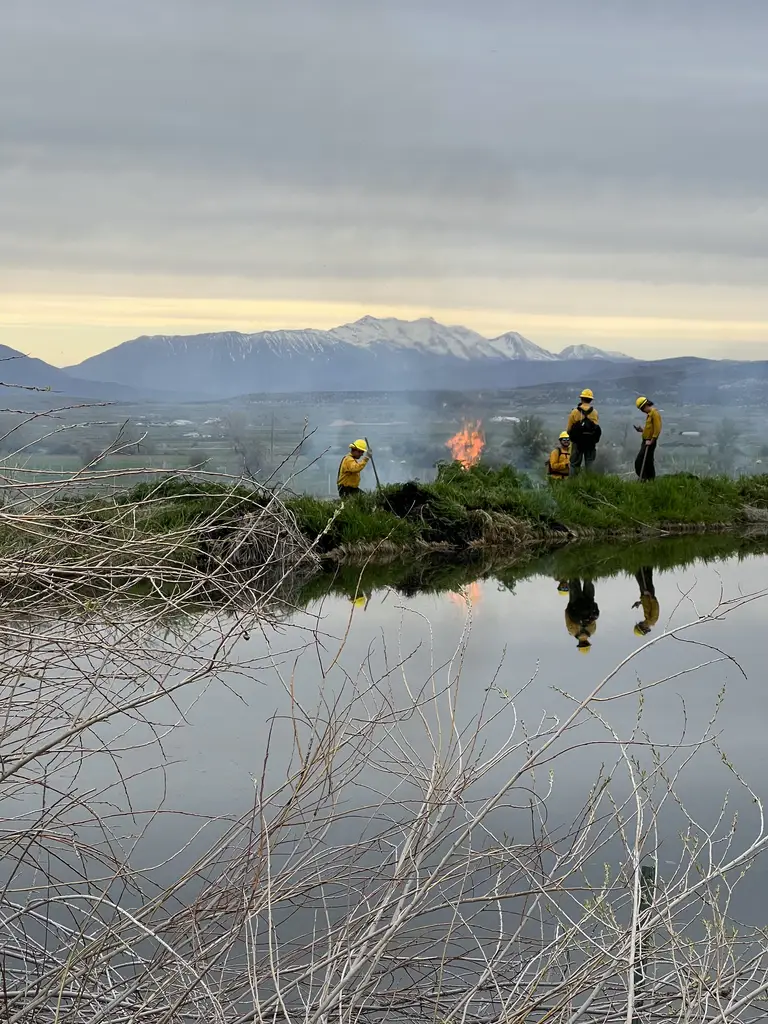
Burning yard waste, a ditch or a field
Request a burn permit first, and do not burn until the department issues it. Check Fire Status for the burn season and current restrictions.
- Skip windy, dry days.
- Keep a hose, buckets of water and a shovel at hand.
- Stay with the fire until it is completely out. Embers can stay hot for hours or even days.
- Never burn plastics, tires, treated lumber, paint or construction debris.
Vehicles and trailers
Secure trailer chains so they cannot drag and throw sparks, and check your tires for wear and sun rot. Never park a hot vehicle on dry grass.
Yard equipment and target shooting
Avoid mowing or running other lawn equipment on hot, dry or windy days. If you shoot, set targets away from dry grass and rocky backstops.
Campfires and fire pits
Check current fire restrictions before you light one.
- Keep a campfire at least 25 feet from buildings and anything that can burn, and clear dry leaves, sticks and low branches for 10 feet around it.
- Keep fire pits at least 10 feet from anything that can burn.
- Keep the fire small, and never leave it.
- Put it out cold: drown it with water, stir the coals, and repeat until it is cold to the touch.
Live near fields or brush? Get your home wildfire ready
Fireworks
Fireworks have dates
Utah allows consumer fireworks only on set dates and hours. These are the windows the Utah State Fire Marshal publishes.
-
July2 to 5
Independence Day
11 a.m. to 11 p.m., and until midnight on July 4.
-
July22 to 25
Pioneer Day
11 a.m. to 11 p.m., and until midnight on July 24.
-
December31
New Year's Eve
11 a.m. until 1 a.m. on January 1.
Chinese New Year has a window too, 11 a.m. to 1 a.m., on a date that changes every year.
Even on those dates
- Never on state park land, or on state or federal forest land.
- Many cities ban fireworks inside set boundaries. In Spring City: [CITY FIREWORKS RULES]
- Restrictions can override the dates: an executive order restricted fireworks across Utah in July 2026.
If you light them
- Keep a garden hose or a bucket of water close by.
- Only adults light fireworks: one person lighting, one firework at a time. Step back right away.
- Never hold a lit firework, and never throw one.
- Never relight a dud. Wait at least 15 minutes, then use a shovel to put it in a bucket of water.
- Let used fireworks soak in water overnight before they go in the trash.
NFPA's advice is to skip consumer fireworks and enjoy a public show put on by professionals.
Be ready
Ready if it happens
Prevention is the first step. Working smoke alarms and a practiced escape plan are the next, and both are on our Safety page.
Request a burn permit Join the crew
See fire or smoke? Call 911.
Sources
The advice on this page follows these official sources, in our own words. Checked October 2026.
- U.S. Fire Administration: Cooking fire safety (opens in a new tab)
- U.S. Fire Administration: Heating fire safety (opens in a new tab)
- U.S. Fire Administration: Portable heater fire safety (PDF) (opens in a new tab)
- U.S. Fire Administration: Appliance and electrical fire safety (opens in a new tab)
- U.S. Fire Administration: Clothes dryer fire safety (PDF) (opens in a new tab)
- NFPA: Educational Messages, 2026 edition (PDF) (opens in a new tab)
- Utah State Fire Marshal: Fireworks (opens in a new tab)
- Utah State Fire Marshal: Fireworks safety (opens in a new tab)
- Utah Forestry, Fire and State Lands: Seasonal fire risk, May 2026 (opens in a new tab)
- Utah Forestry, Fire and State Lands: Use your Fire Sense, June 2024 (opens in a new tab)
- Utah Fire Info: current fire restrictions (opens in a new tab)